
Flat floors, level starts.
Low spots, uneven joints and sloped areas can be filled and leveled so floors drain, roll and look right.
- Priced by: Area, depth of fill and material
- Methods: Self-leveling underlayment, patching mixes or grinding high spots
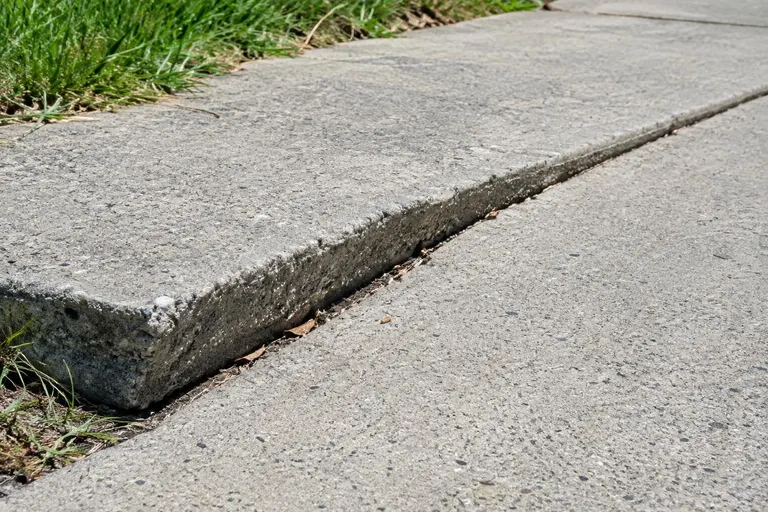
What it is, and why it matters.
Uneven concrete collects water, makes rolling carts bump and shows through thin coatings. Self-leveling underlayments and patching mixes can fill low spots, correct slopes and bring a slab to a uniform level before a coating goes on.
Concrete Coating levels interior slabs, shop floors and some exterior surfaces in Nashville and across Middle Tennessee. We map the low areas, choose the right leveling mix and explain what leveling can and cannot do for a settled or heaved slab.
Four things done right.
Flatter floors
Low spots are filled for a smooth finish.
Better drainage
Corrected slopes move water the right way.
Better coatings
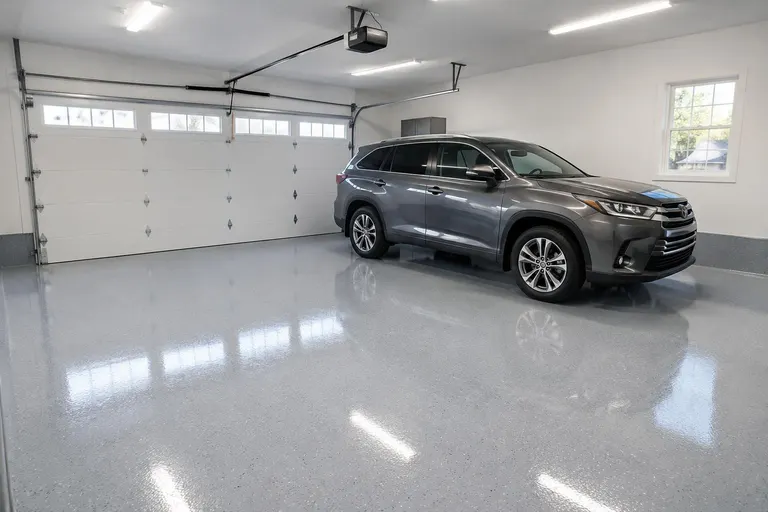
A level base helps coatings look even.
Smoother use
Carts and equipment roll easily.
From first call to concrete leveling.
- 01
Survey
We map highs and lows with a straightedge or laser.
- 02
Prepare
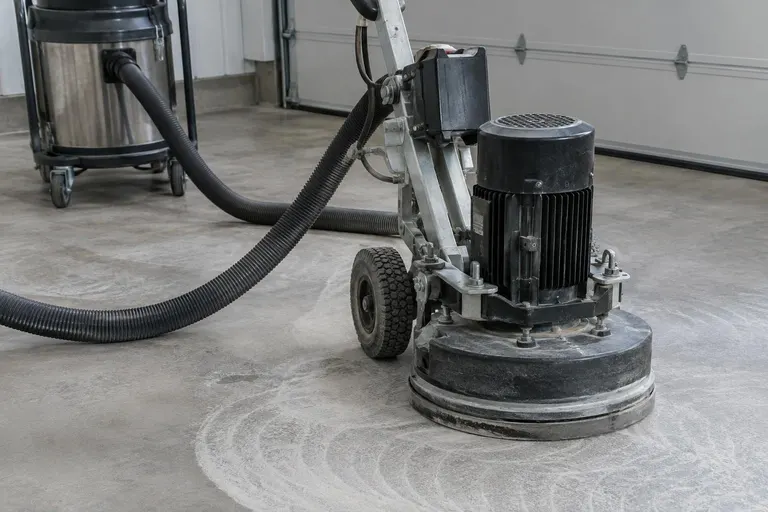
Clean and prime the slab.
- 03
Level
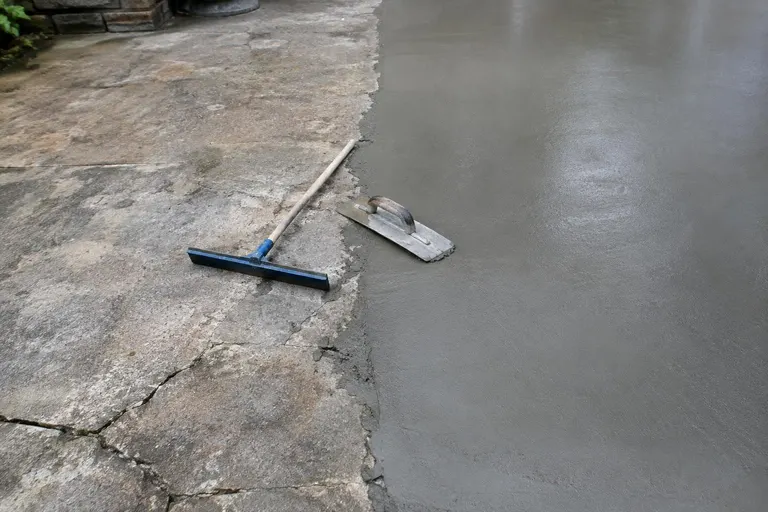
Pour or trowel leveling material.
- 04
Cure
Allow the leveler to cure before coating.
 43
 17
 01
Concrete Leveling: common questions
Can you level a sinking slab?
Leveling fills low spots on the surface. A slab that has settled or moved may need foundation or lifting work first, and we tell you honestly when that applies.
Do I need leveling before a coating?
Not always. Small variations are fine, but ponding areas and big dips show through glossy coatings, so we check before we start.
How do I get an estimate for concrete leveling?
Fill in the form or call or text 615-431-3789. A few photos and the size of the area usually give us what we need, and we send a written price. Larger jobs start with a short visit.
Ready to talk about concrete leveling?
A short visit or a few photos, and a written price. A real person calls back promptly.